
This is an old revision of the document!
Table of Contents

Here you will find all the essential information about the MagLab Formicarium system. This includes the basic setup, required 3D-printed parts, and magnet placement. You will also find answers to common questions and practical tips for setup, use, and expansion.
You can find this project at Makerworld. Insert New Link!
The Basic Components
The MagLab Formicarium consists of several core components that can all be connected to each other. With only a small number of parts, this modular design allows for many different configurations.
You can find all available components listed below. Click on the images/videos or links to enlarge them.
| Description | STL File | Support | |
|---|---|---|---|
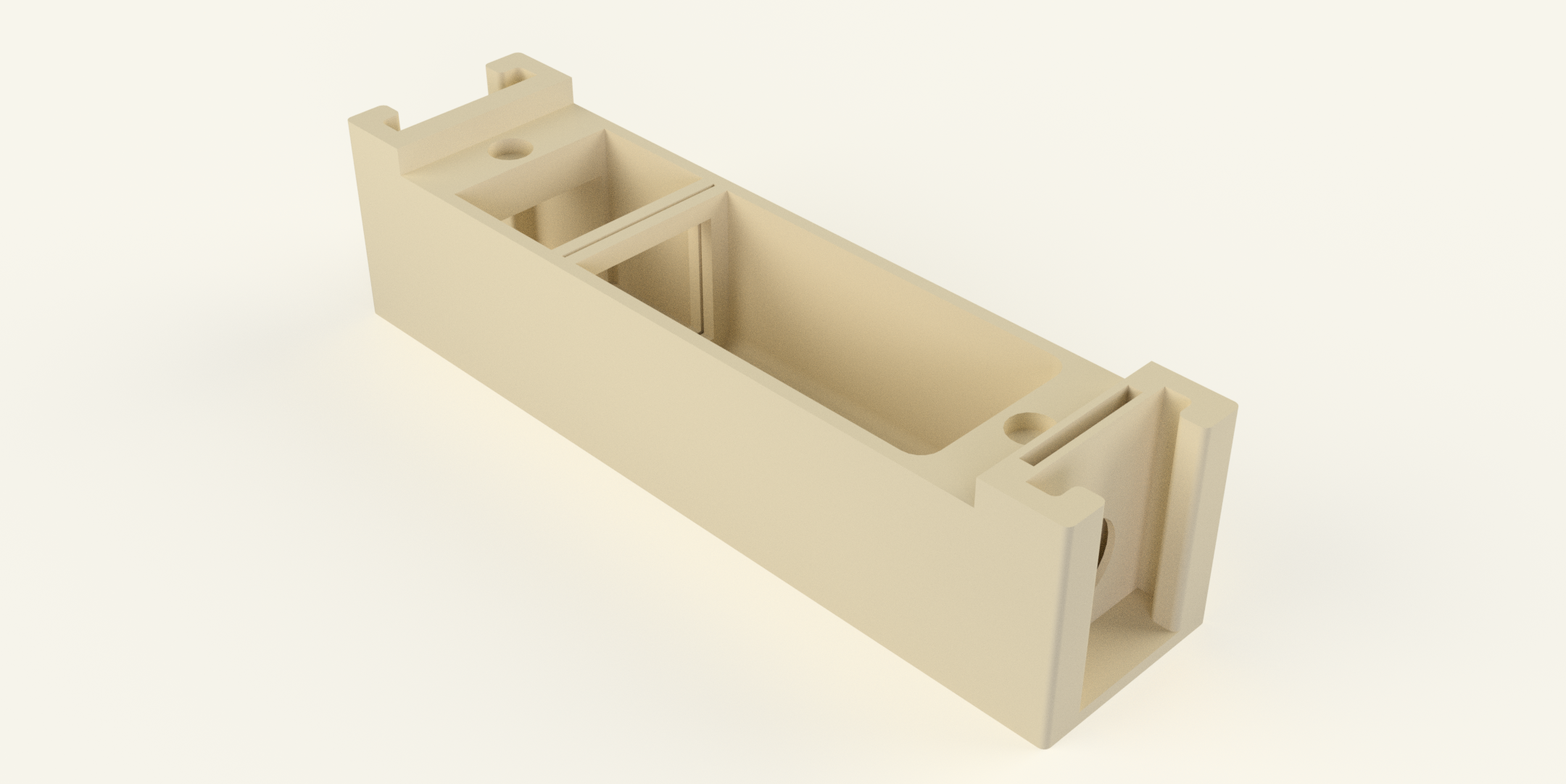 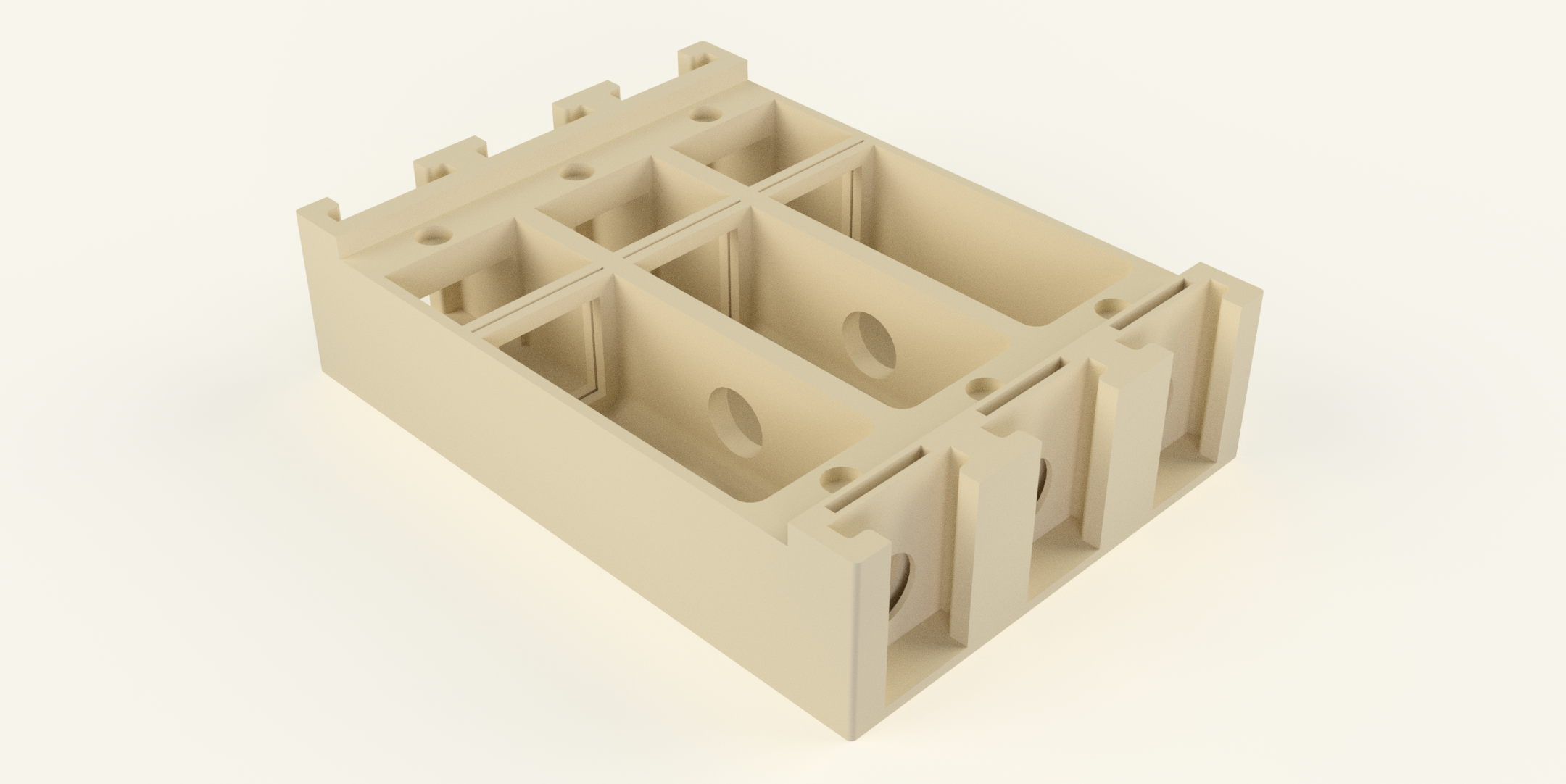 | The nest is the central living space of the ant colony. This is where the queen lives and where the ants care for their brood, including eggs, larvae and pupae. The system uses a modular nest design that can be expanded with additional printed nest modules as the colony grows. In addition to single modules, a triple nest version is also available, allowing you to print three connected nest sections at once instead of combining separate modules. All nest modules feature integrated slots for gates (shutters), which allow you to open or close individual chambers as needed. Printing a triple nest from the start is especially practical: you can keep unused sections closed with gates and simply open them up one by one as your colony grows and requires more space. The nest must be kept slightly moist. To achieve this, the rear chamber is filled with cotton wool which acts as a small water reservoir. A dedicated slot between the main chamber and the water reservoir allows you to slide in a piece of mesh (gaze), preventing the ants from accessing or digging into the cotton. A 2 mm hole in the rear stopper allows you to moisten the cotton without opening the nest. If the cotton needs to be replaced over time, you can simply remove the rear stopper to access and swap out the cotton wool without disturbing the ants. | Nest.stl Nest x3.stl | Yes |
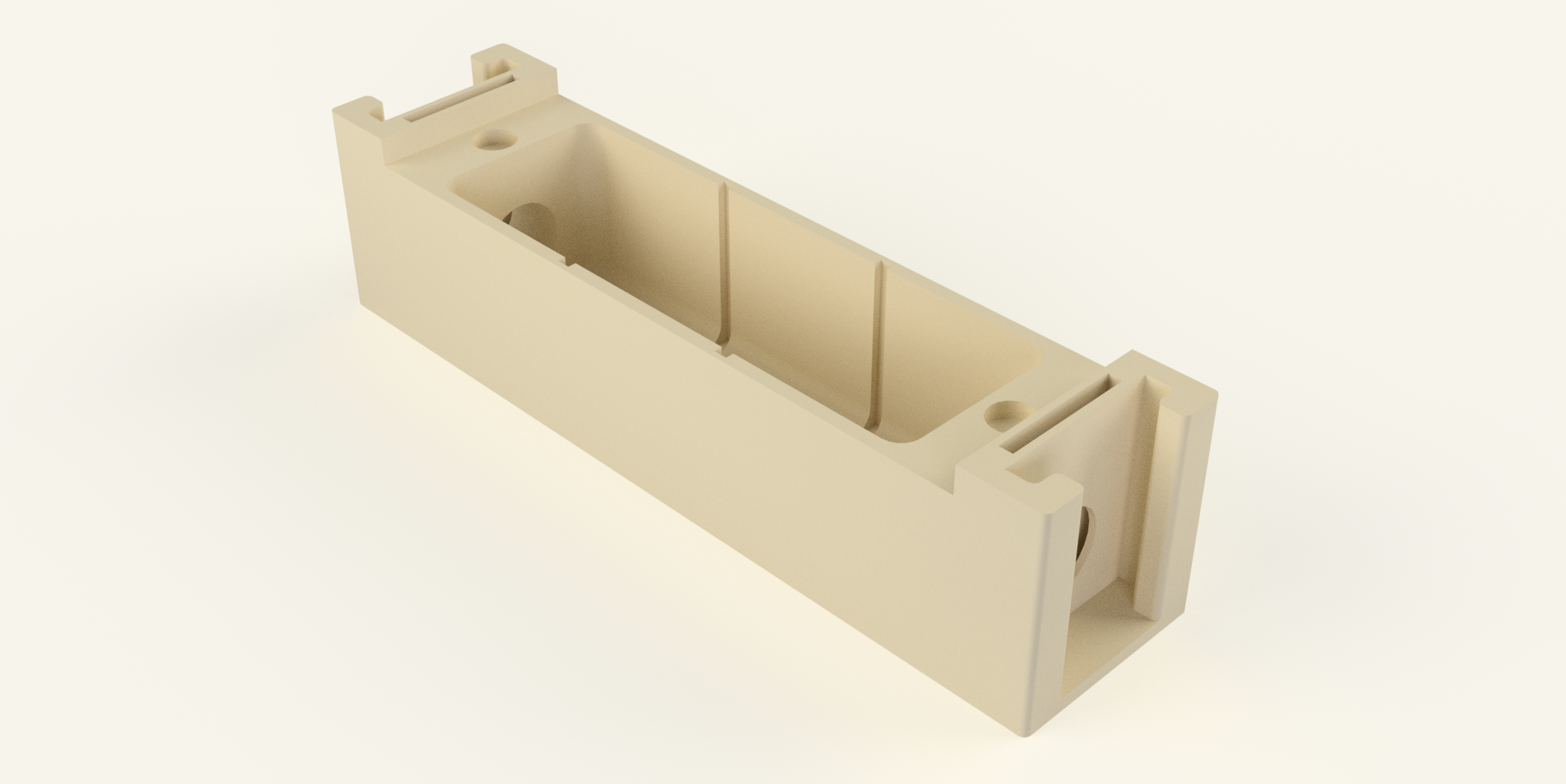 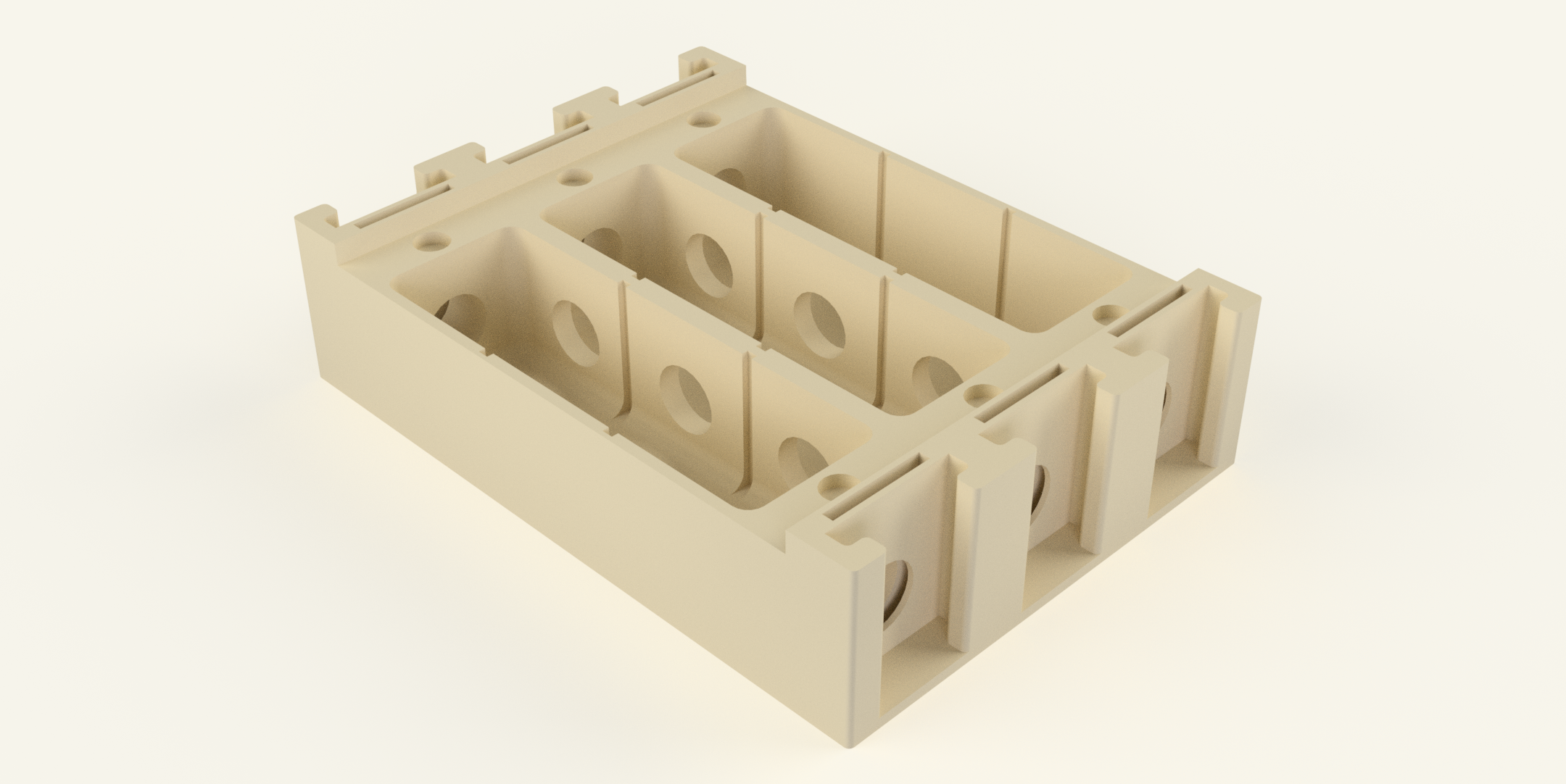 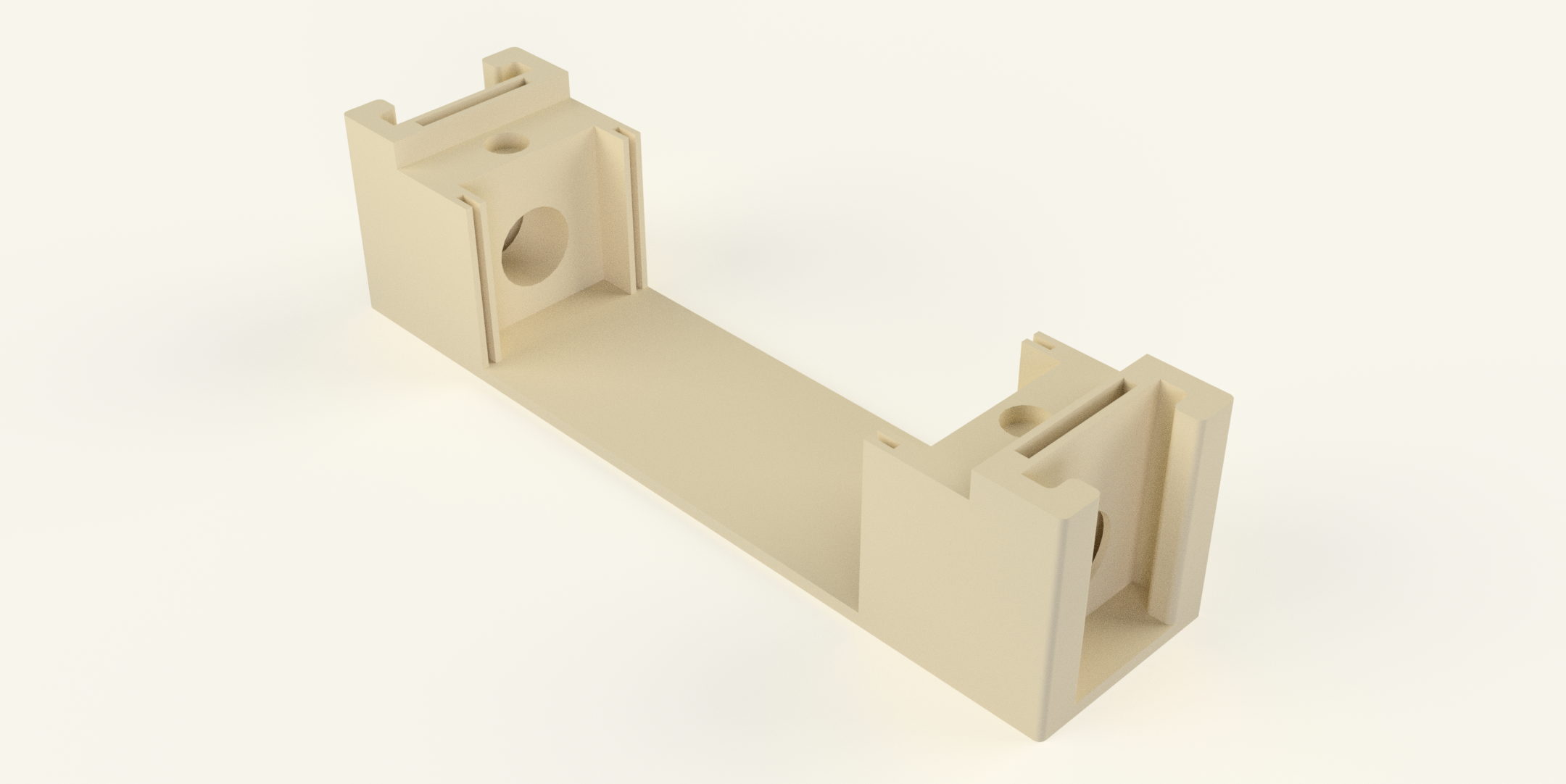 | The Pass-Through Module serves as an extensible corridor within the system, allowing you to create longer pathways or foraging routes between different modules so the ants have more ground to cover. While primarily designed as a connecting passage, it can also function as a dry nest area for species or colony sections that do not require humidity. A key feature of the Pass-Through Module is the set of integrated wall grooves designed to hold customizable inserts. By sliding these inserts into the guiding slots, you can easily divide the internal space to create custom chambers, pathways, or structural features inside the module. For extra visibility, there is also a side-glass variant where the solid side walls are replaced with standard microscope slides, giving you a full view into the corridor from the sides as well. | Pass-Through.stl Pass-Through x3.stl Pass-Through Glass.stl | No |
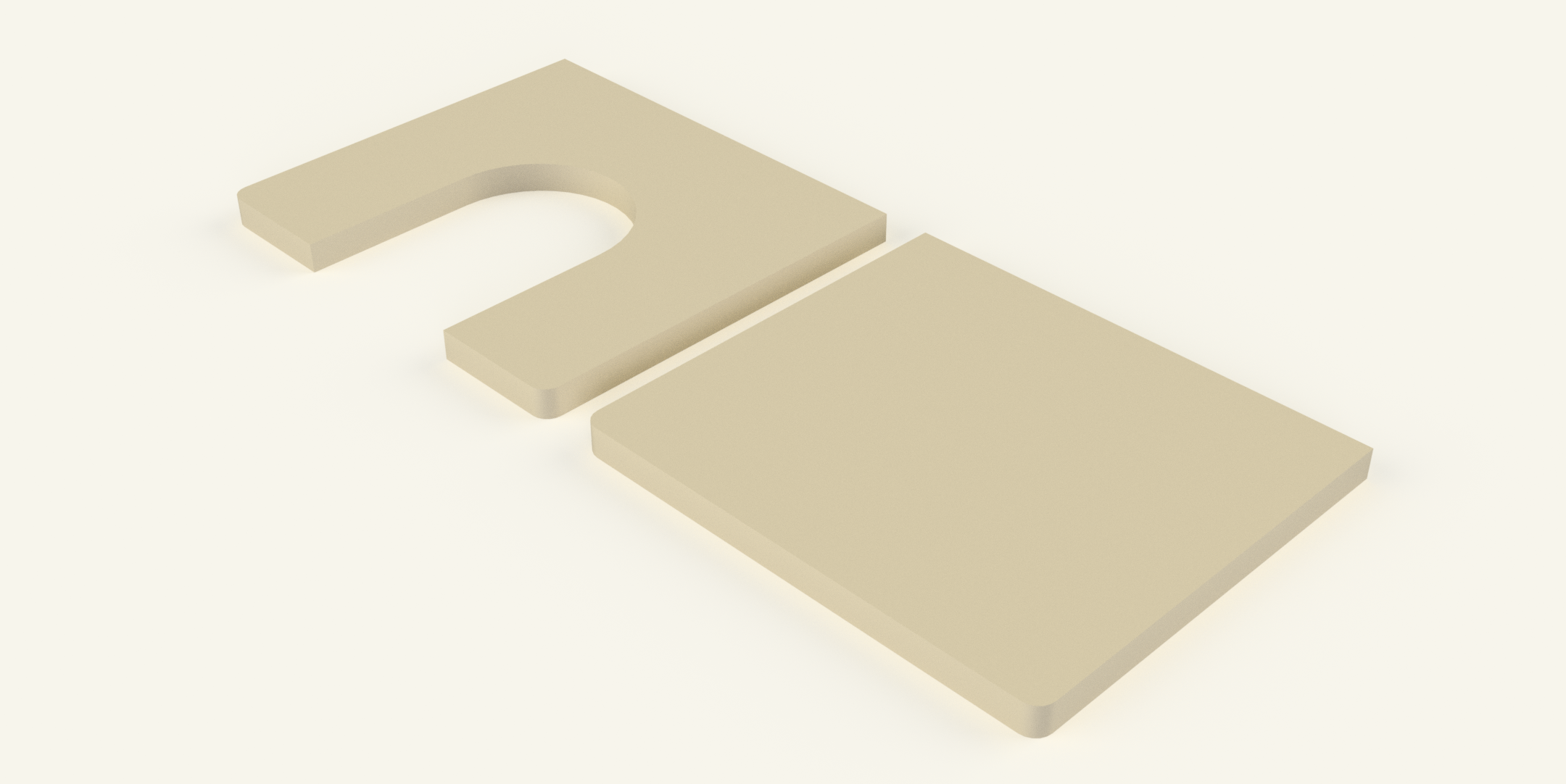 | Pass-Through Inserts are sliding divider plates designed specifically for the Pass-Through Module. By sliding them into the integrated wall grooves, you can easily customize the interior layout, forming individual chambers or custom pathways inside the corridor. | Pass-Through Insert.stl Pass-Through Insert Close.stl | No |
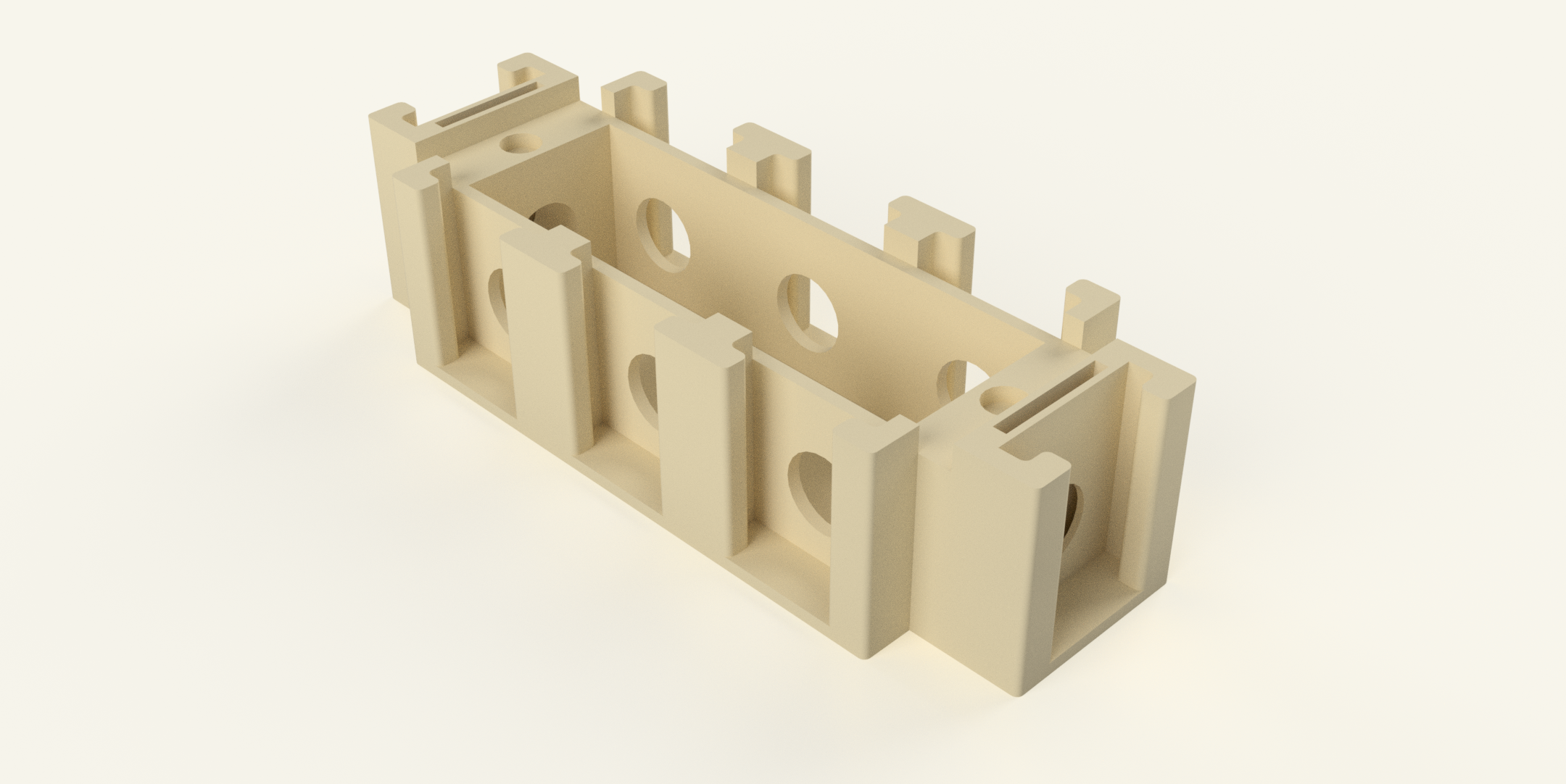 | The Hub serves as the central junction for your system. Featuring eight connection points, it allows you to link multiple nest modules, arenas, or corridors together, giving you maximum flexibility to expand and split your formicarium network in any direction as your colony grows. | Hub.stl | No |
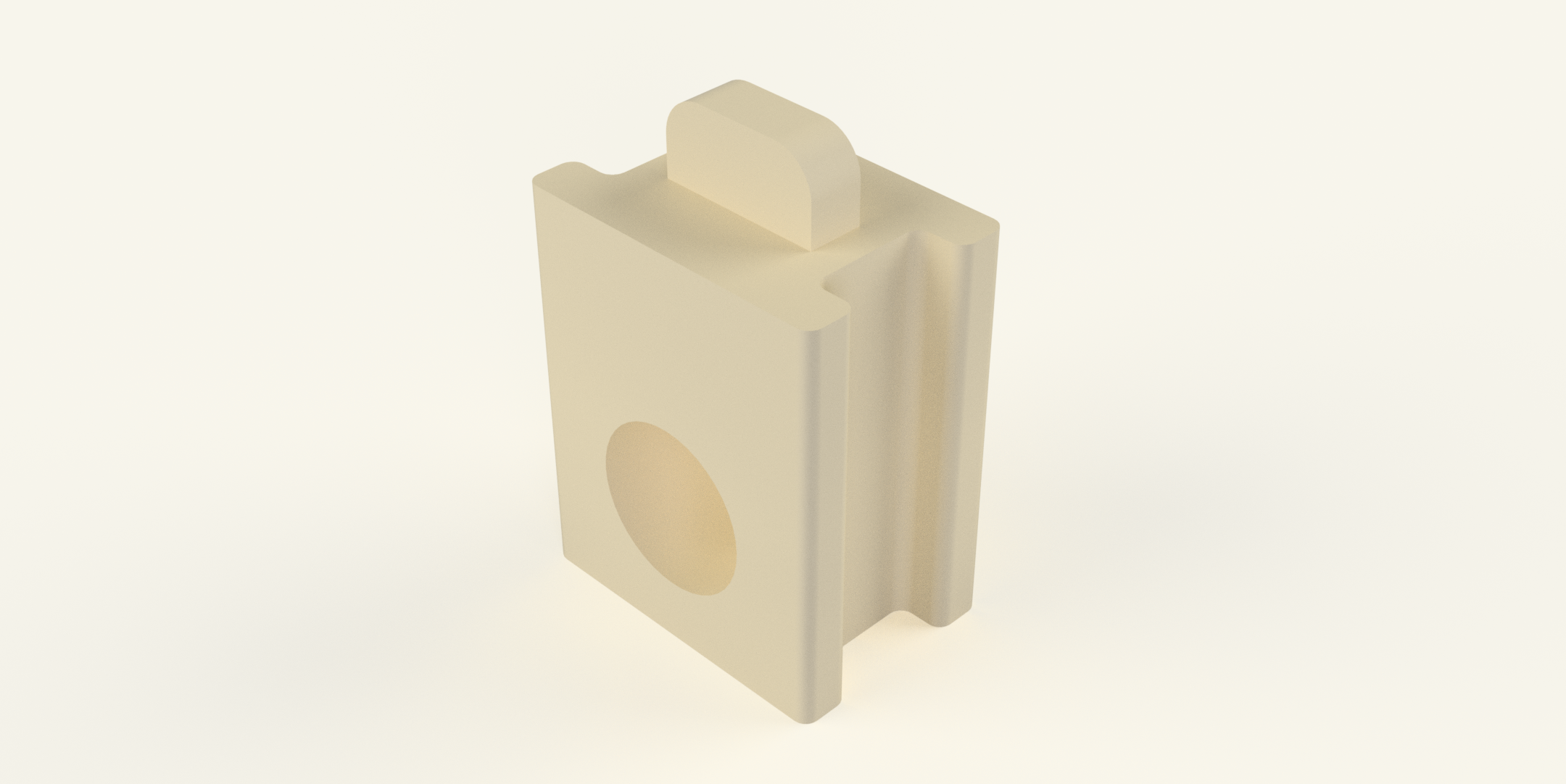 | The Male Connector is the universal linking element of the system. Since all modules - such as nests, the arena, the hub, and corridors - are built with female connection ports, this dual-ended male piece is used to join any two modules together securely. | Male Connector.stl | No |
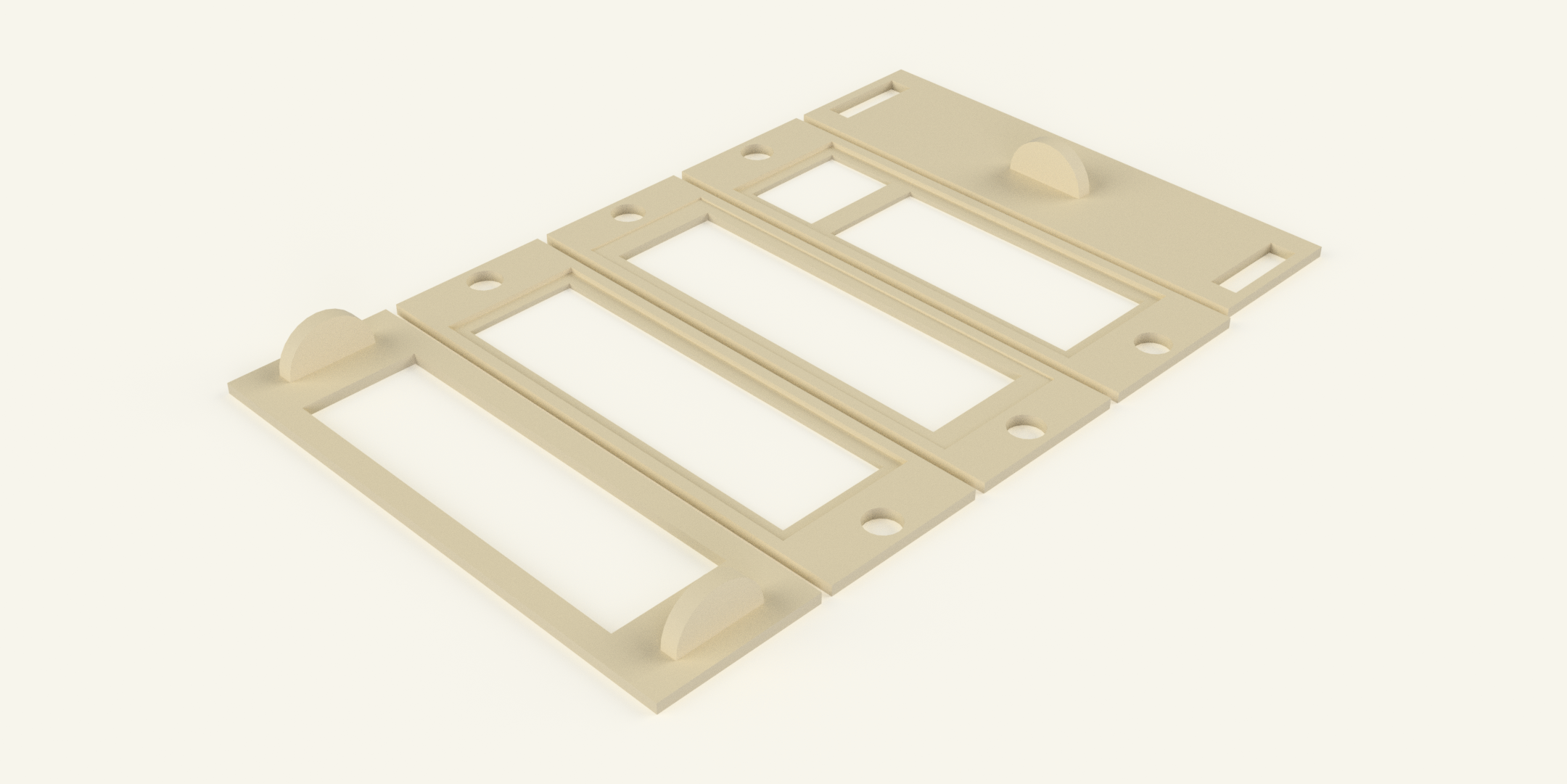 | The nest lid is designed to allow clear observation of the colony inside the nest. A glass slide or alternative inserts are placed between the bottom frame and the top lid, creating a transparent window that lets you watch the ants and their brood without disturbing the colony. The lid assembly is available in two main bottom-frame versions: Glass Version: Designed specifically to hold a standard microscope slide. Mesh & Red Foil Version: Designed to hold mesh screen (gaze) or red light-filtering foil. The components are glued together during assembly. To make this process quick and precise, you can use the Lid Helper - a custom alignment tool designed to stack the parts perfectly. Simply place the bottom frame into the Lid Helper, insert your chosen material (glass, mesh, or red foil), apply a small amount of glue to the edges, and press the top lid into place. | Lid Nest Bottom.stl Lid Glass Bottom.stl Lid Mesh Bottom.stl Lid Top.stl | No |
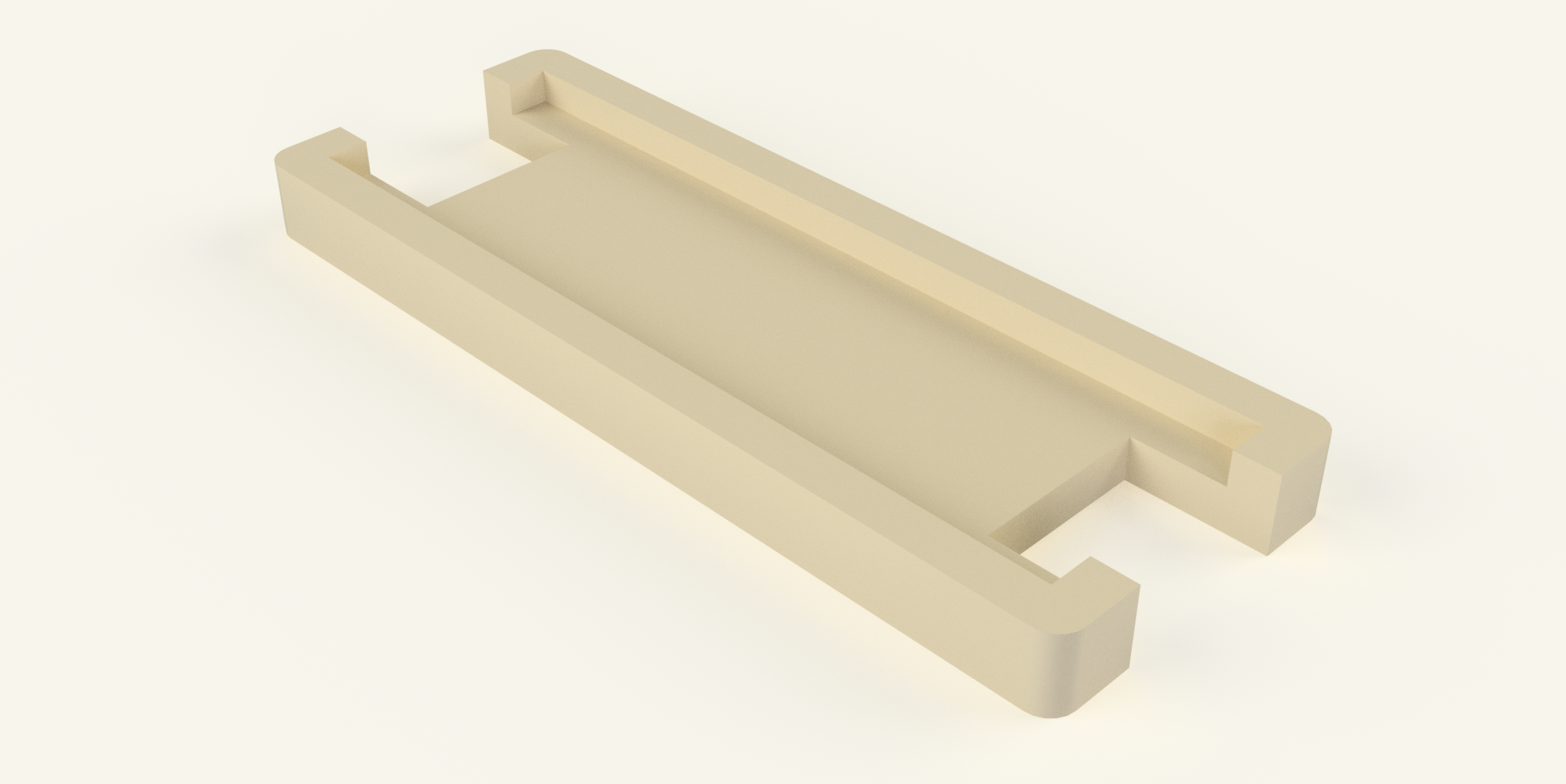 | The Lid Helper is a specialized assembly jig designed to stack and align the lid components precisely for gluing. It ensures all layers sit perfectly aligned during the bonding process. To use the tool, place either the Glass or the Mesh/Red Foil bottom frame into the base of the Lid Helper. Next, insert your selected material - such as a microscope glass slide, mesh screen, or red light-filtering foil - directly on top of the frame. Finally, apply a small amount of glue along the left and right edges, then align and press the top lid into place. For a step-by-step visual demonstration of the alignment and gluing process using the Lid Helper, please refer to the assembly video below. | Lid Helper.stl | No |
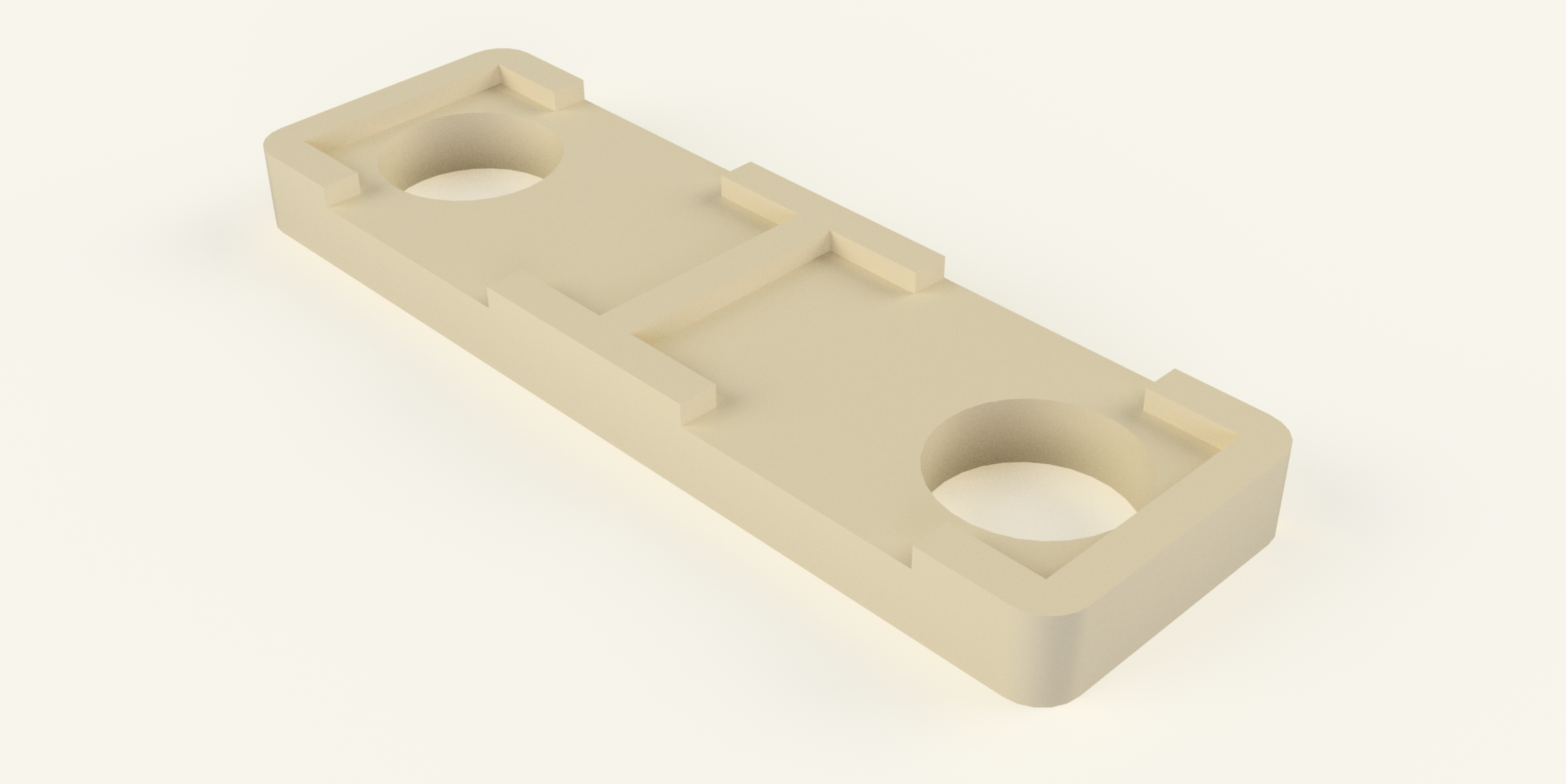 | The Gate Mesh Helper is an assembly jig designed specifically for gluing the Gate Mesh components together. Unlike standard solid or open gates, which are printed as single finished pieces and require no assembly, the Gate Mesh uses a layered design that holds a small piece of mesh screen between two printed plates to allow extra ventilation between nest modules. The Gate Helper holds these parts in precise alignment while you glue them together, making it quick and easy to assemble custom ventilated gates for your system. | Gate Mesh Helper.stl | No |
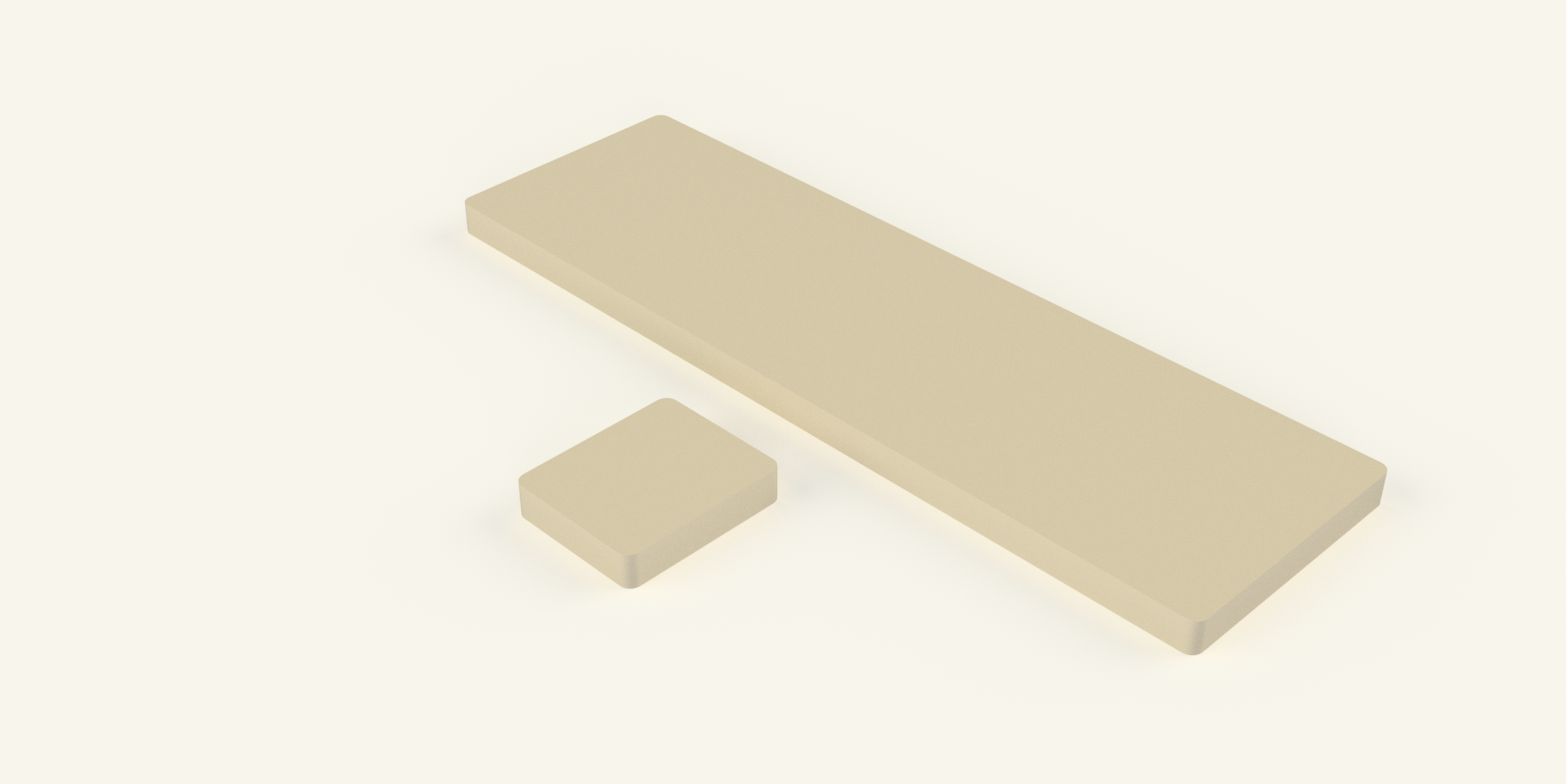 | The Gate Mesh Cut Helper and Lid Mesh Cut Helper are precise cutting templates designed to take the guesswork out of sizing your insert materials. Simply place the template onto your mesh screen (gaze) or red light-filtering foil and trace around the edges with a pen. This gives you the exact dimensions needed so the material fits perfectly into the gate or lid frame for effortless gluing and assembly. | Gate Mesh Cut Helper.stl Lid Mesh Cut Helper.stl | No |
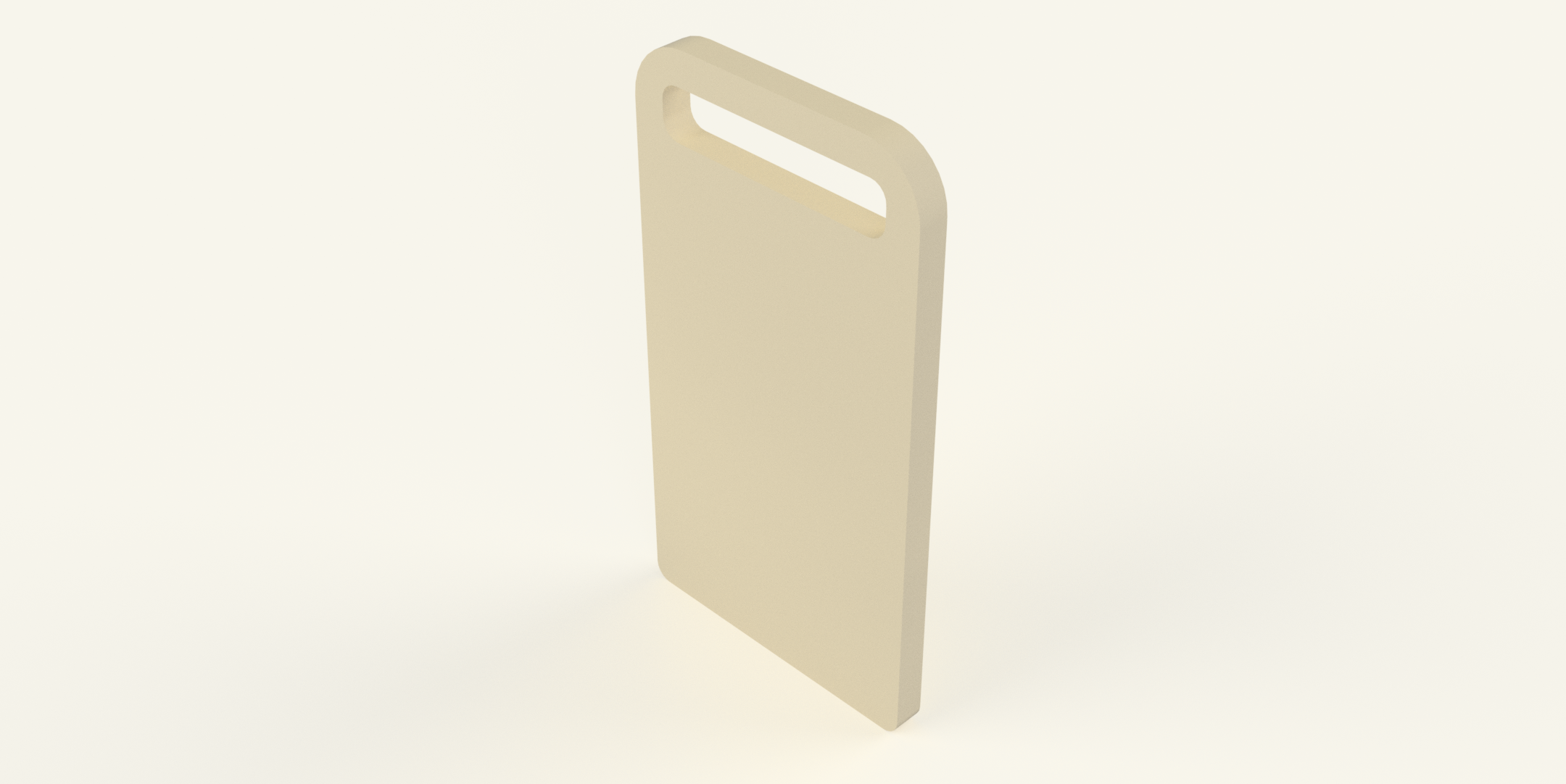 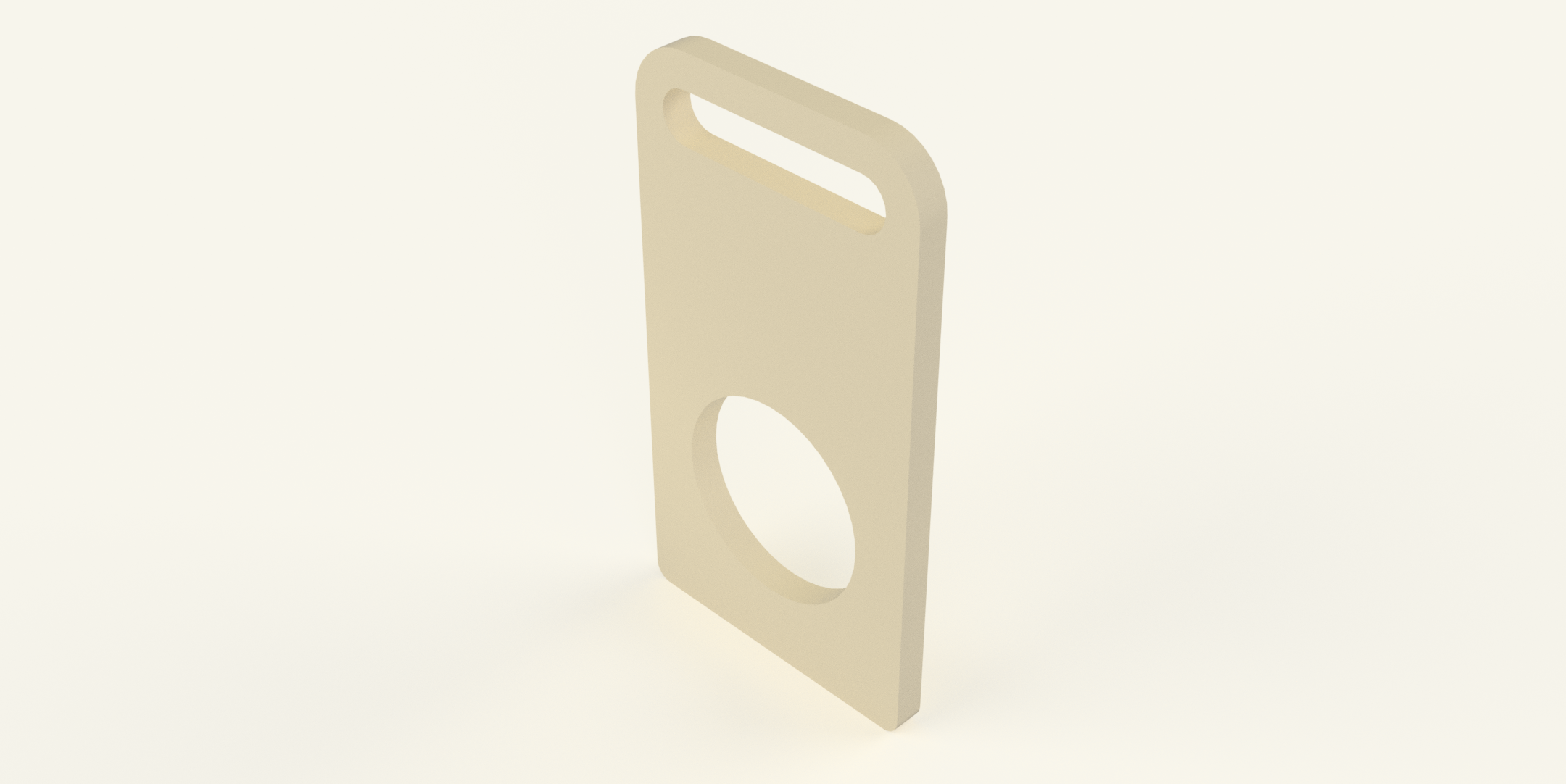 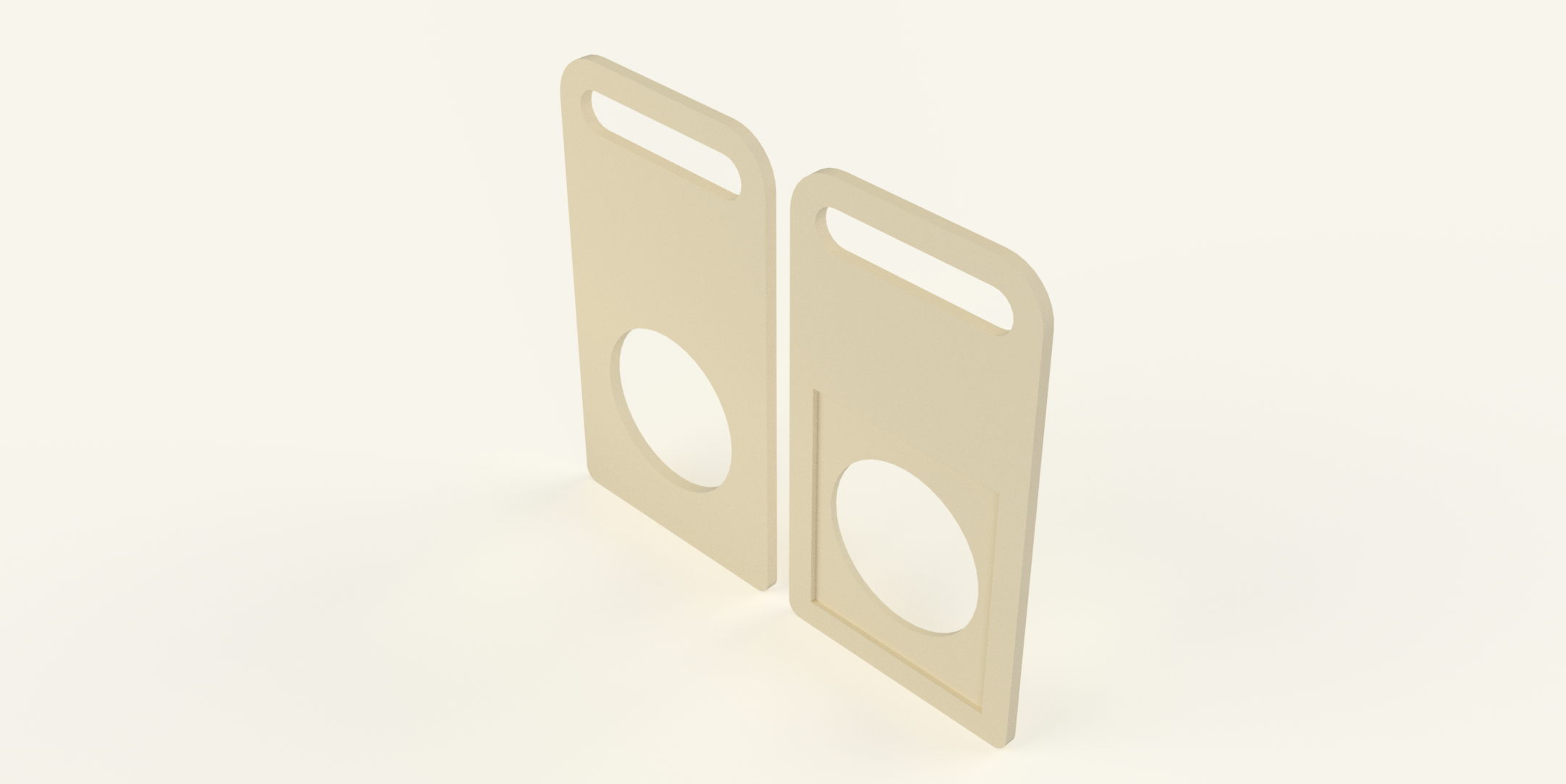 | Gates (Shutters) are used to control access between individual nest modules or system components. They slide into the integrated slots of the nest and allow you to open, restrict, or close off specific sections as your colony grows. The system features three types of gates: Open Gate: A fully open passage that allows unrestricted movement for the ants between chambers. Closed Gate: A solid barrier used to completely block off unused nest sections or chambers. Gate Mesh: A custom ventilated gate consisting of two printed plates with a piece of mesh (gaze) glued in between. It blocks passage for the ants while maintaining airflow and ventilation between modules. For a step-by-step visual demonstration of how to align and glue the Gate Mesh using the Gate Helper, please refer to the assembly video below. | Gate Open.stl Gate Closed.stl Gate Mesh.stl | No |
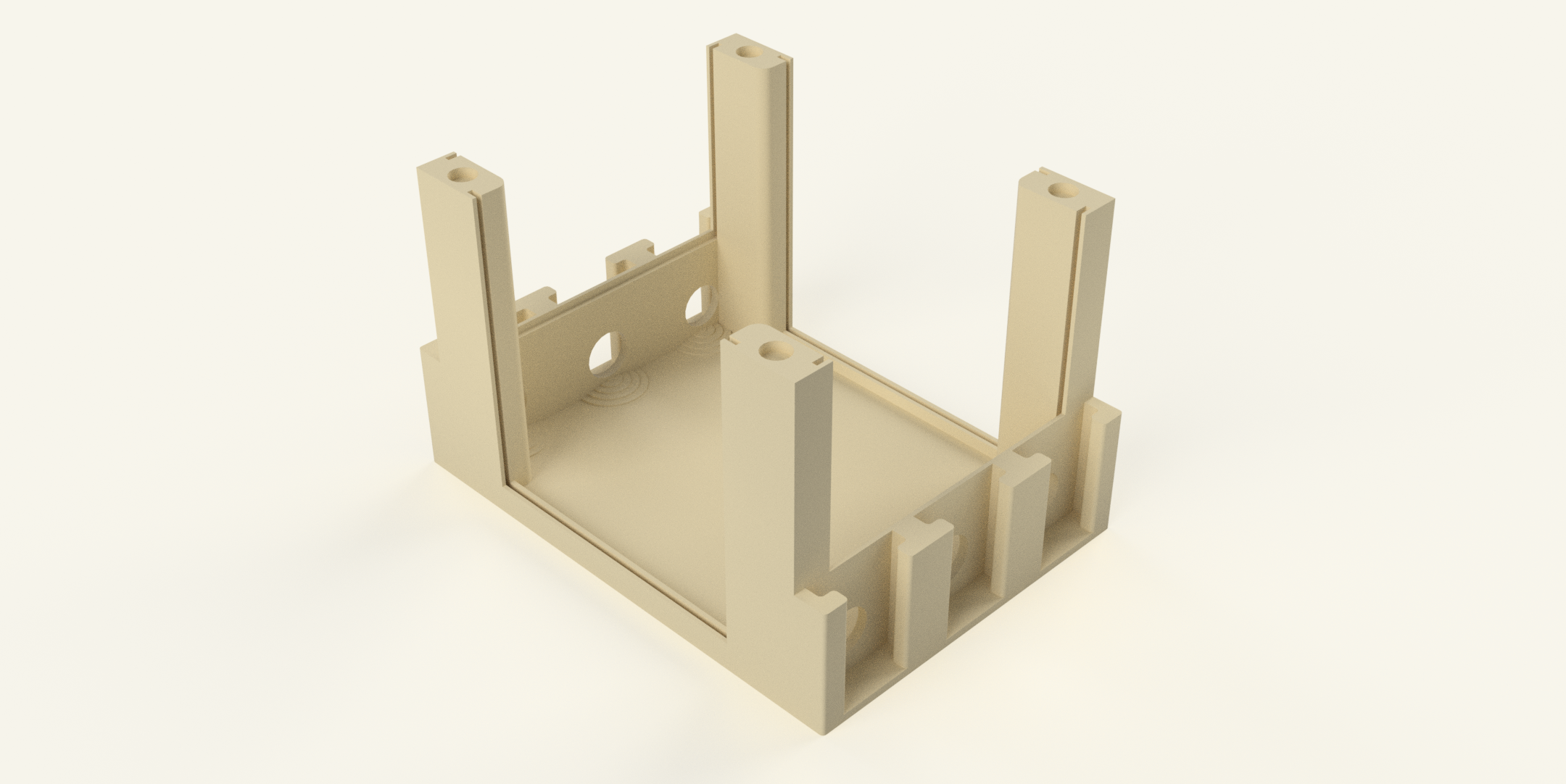 | The arena is the area of the ant farm where the ants leave the nest and interact with their environment. This is where they search for food, explore their surroundings, and transport resources back to the nest. The side walls are constructed using standard microscope slides, providing clear, scratch-resistant observation windows into the foraging area. Food and water are placed inside so the ants can collect them, display their natural behavior, and deposit waste away from the nest. | Arena.stl | No |
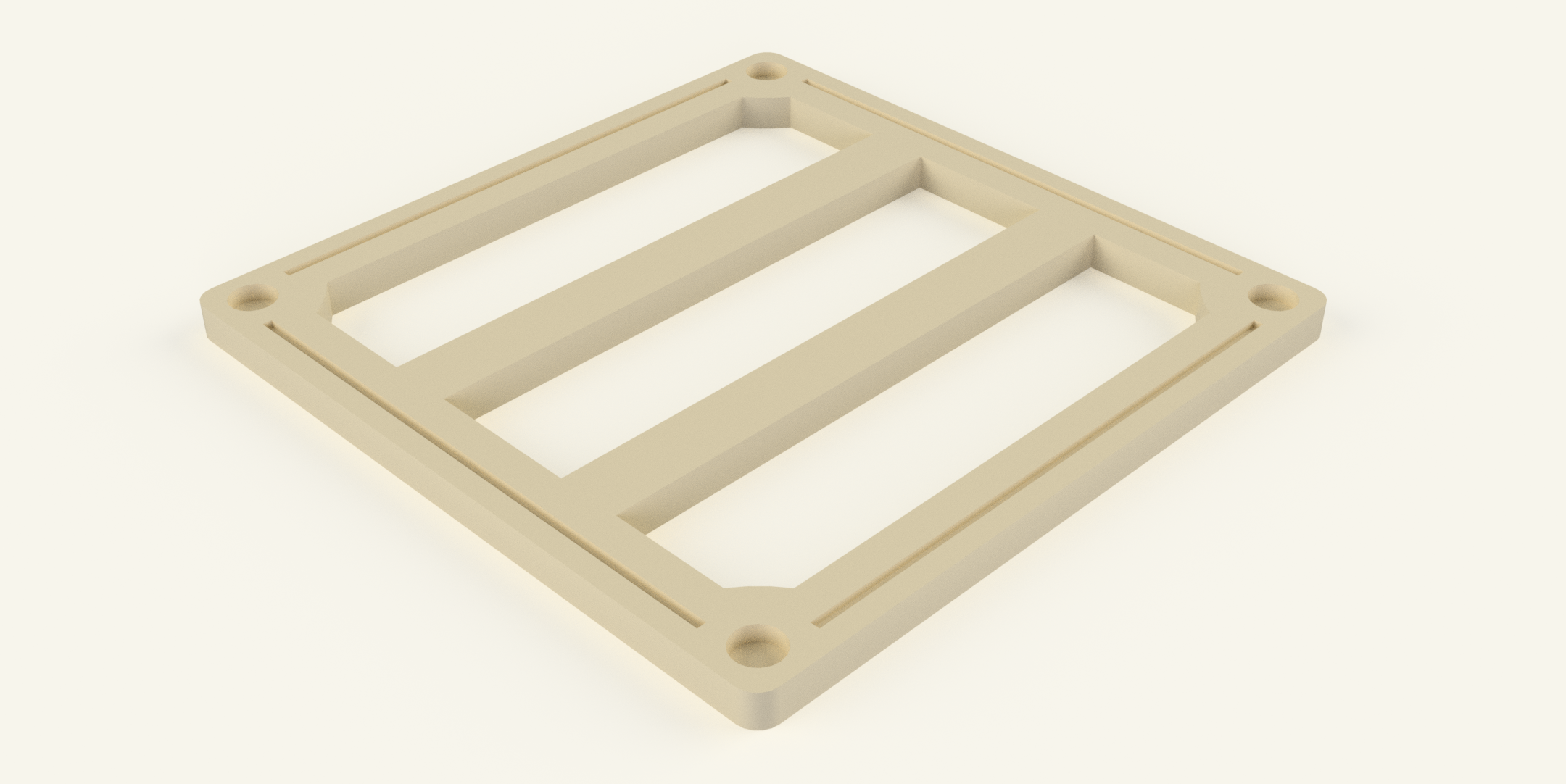 | The Arena and Nest Base Lid Frame acts as a mounting frame that fits directly onto the top of the arena or nest base. Rather than serving as a solid cover itself, this frame is designed to hold multiple modular lids. Individual lids - the same ones used for single nest modules - simply snap into the dedicated retention slots along the frame. This setup allows you to combine up to three lids side by side, creating a large, fully covered top surface while maintaining modular flexibility for access and ventilation. | Arena Lid.stl | No |
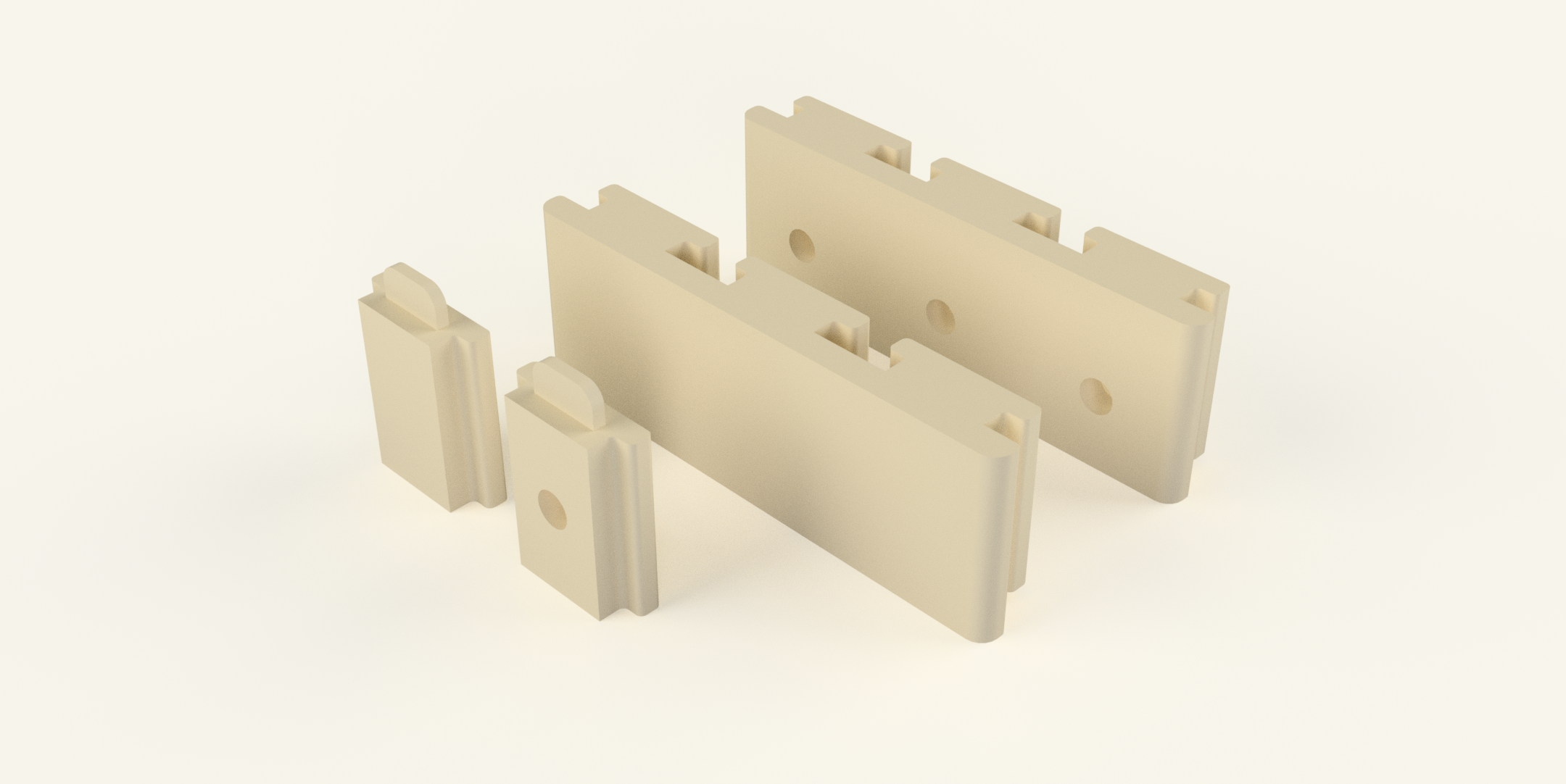 | Stoppers are designed to seal the open ends or rear connections of nest modules and other system components, keeping the system securely closed when no further expansion is attached. Stoppers are available in three variants: Standard Stopper: A single solid plug to close off an individual module connection. Triple Stopper: A wide plug designed to fit and seal a triple-nest module in a single piece. Watering Stopper: Features an integrated 2 mm hole, allowing you to moisten the internal cotton reservoir without opening the nest. | Stopper.stl Stopper x3.stl Stopper Waterhole.stl Stopper Waterhole x3.stl | No |
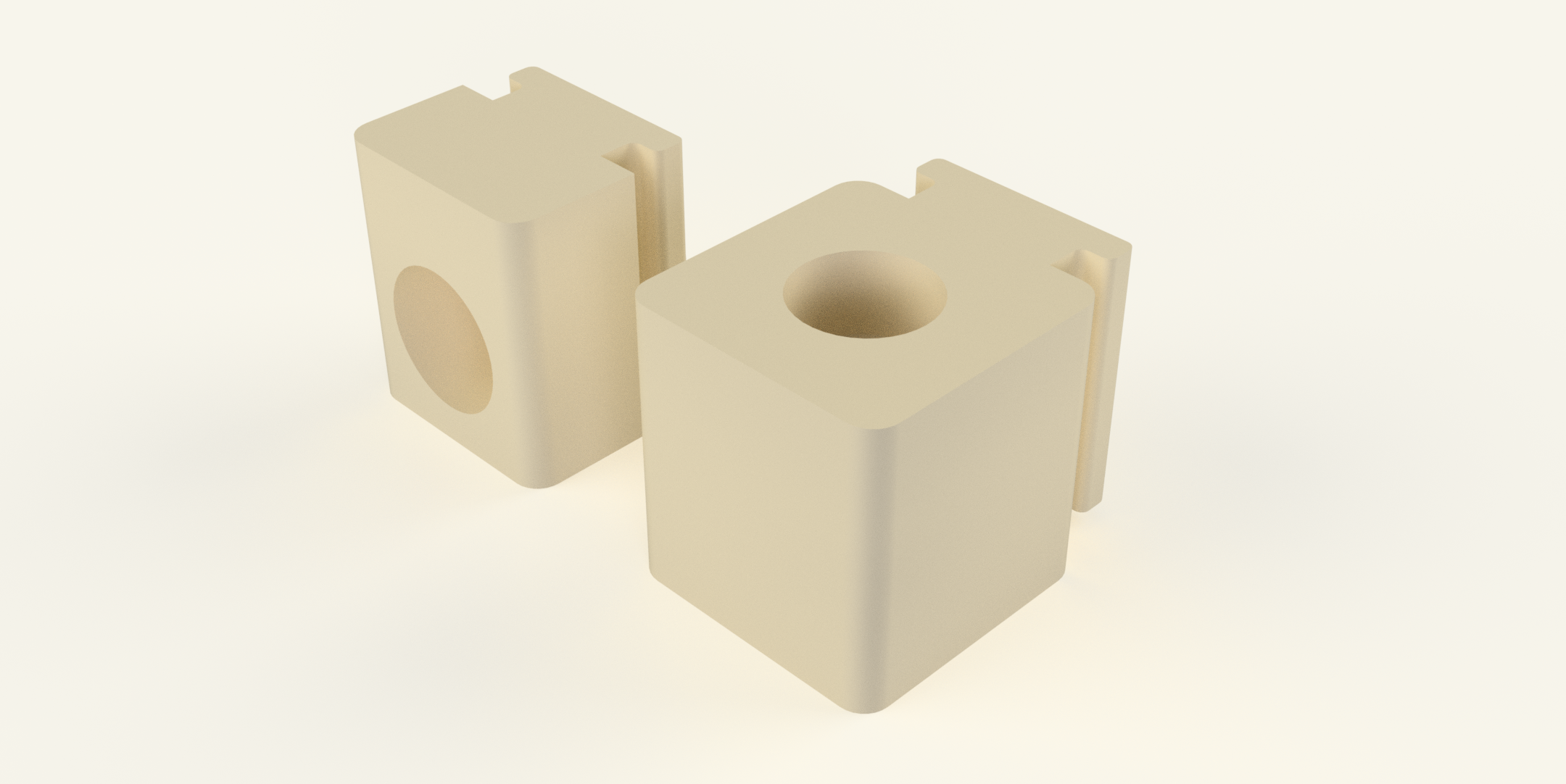 | The Tubing & Test Tube Connector enables easy connection of flexible vinyl tubing or test tubes (such as founding setups or external water sources) directly to any female port in the system. This connector is fully parametric, allowing you to customize the outer diameter directly on MakerWorld to perfectly fit the outer dimensions of your specific tubing or test tubes before printing. | Tube Connector Vertical.stl Tube Connector Horizontal.stl | Yes |
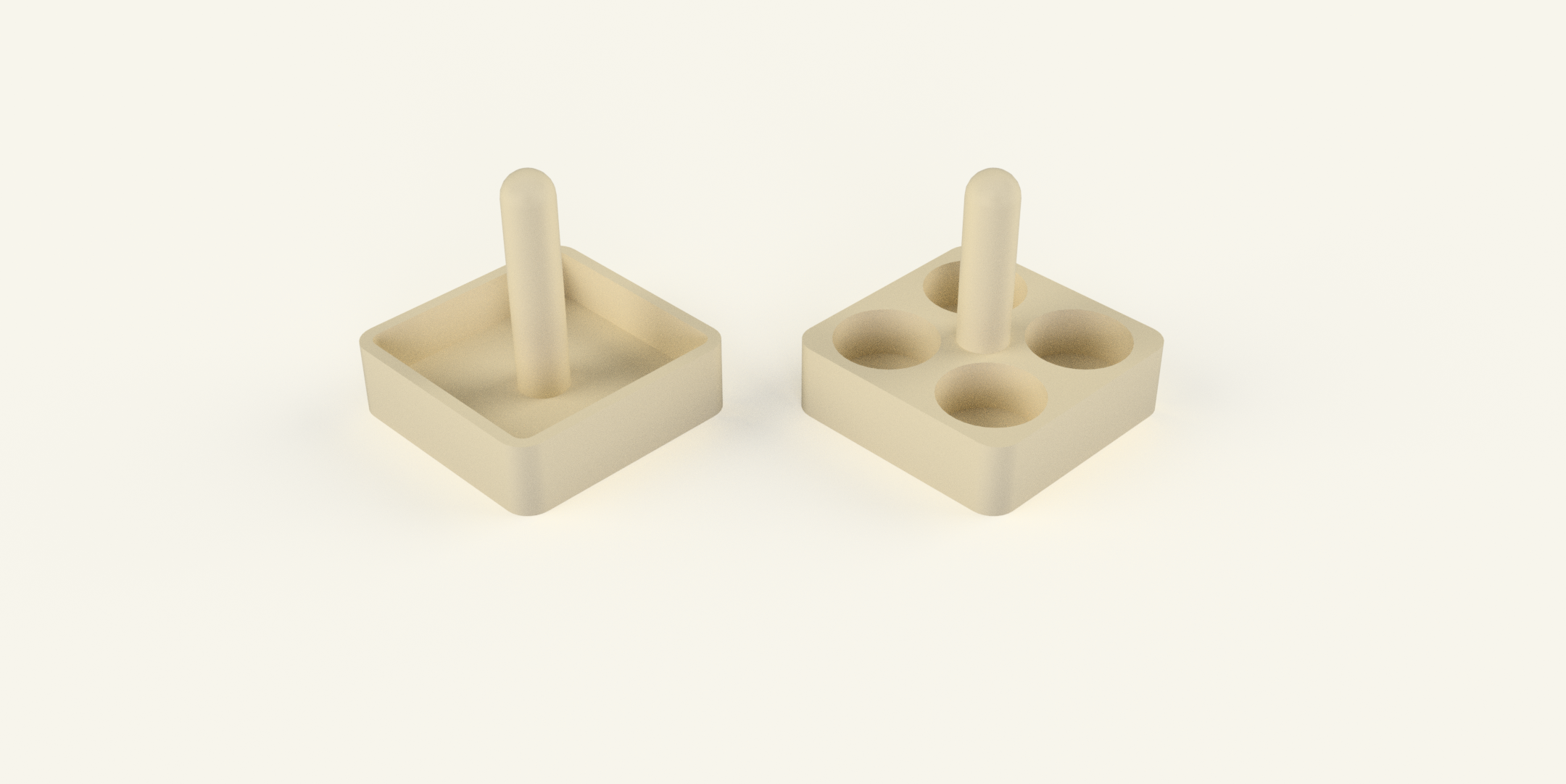 | Feeding Dishes are compact feeding trays designed to fit inside the arena for clean and convenient feeding. They are ideal for serving sugar water, honey, liquid nutrients, or protein sources without dirtying the arena floor. They are available in two functional designs: Single Large Hole Dish: Features a single open tray area for easy access to liquid or solid food. Four Small Holes Dish: Features four smaller divided openings, ideal for controlled portioning or serving different food types simultaneously. | Feeding Insert 1 Hole.stl Feeding Insert 4 Hole.stl | No |
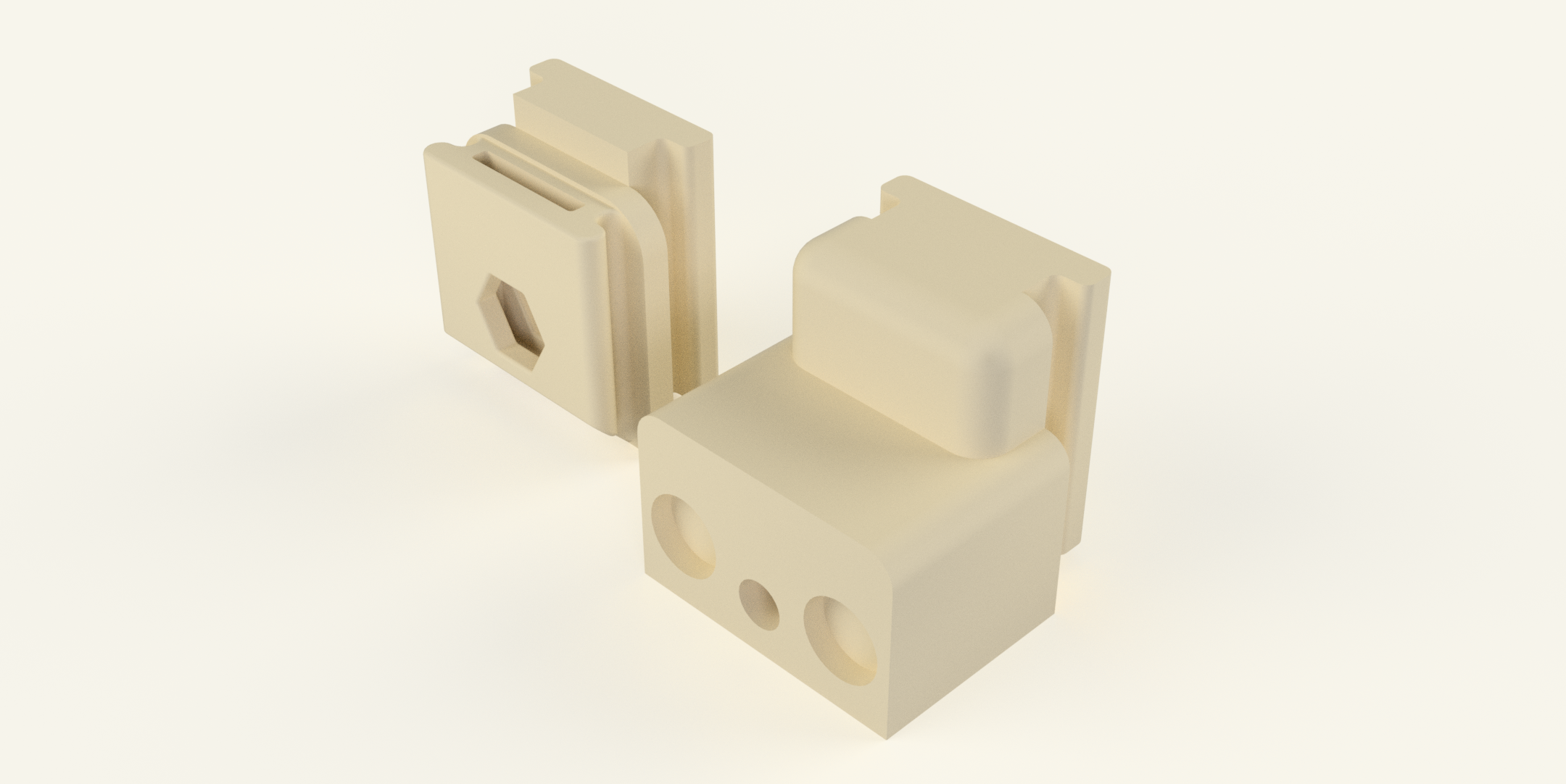 | The AntX System is designed to be highly versatile and modular. A variety of adapters are available to make the AntX System fully compatible with other popular formicarium systems on Makerworld, allowing you to seamlessly connect different components and expand your setup as needed. The available adapters include: - MagLab to AntX - Ant Slide Nest to AntX | Ant Slide Nest to AntX.stl MagLab to AntX.stl | Yes |
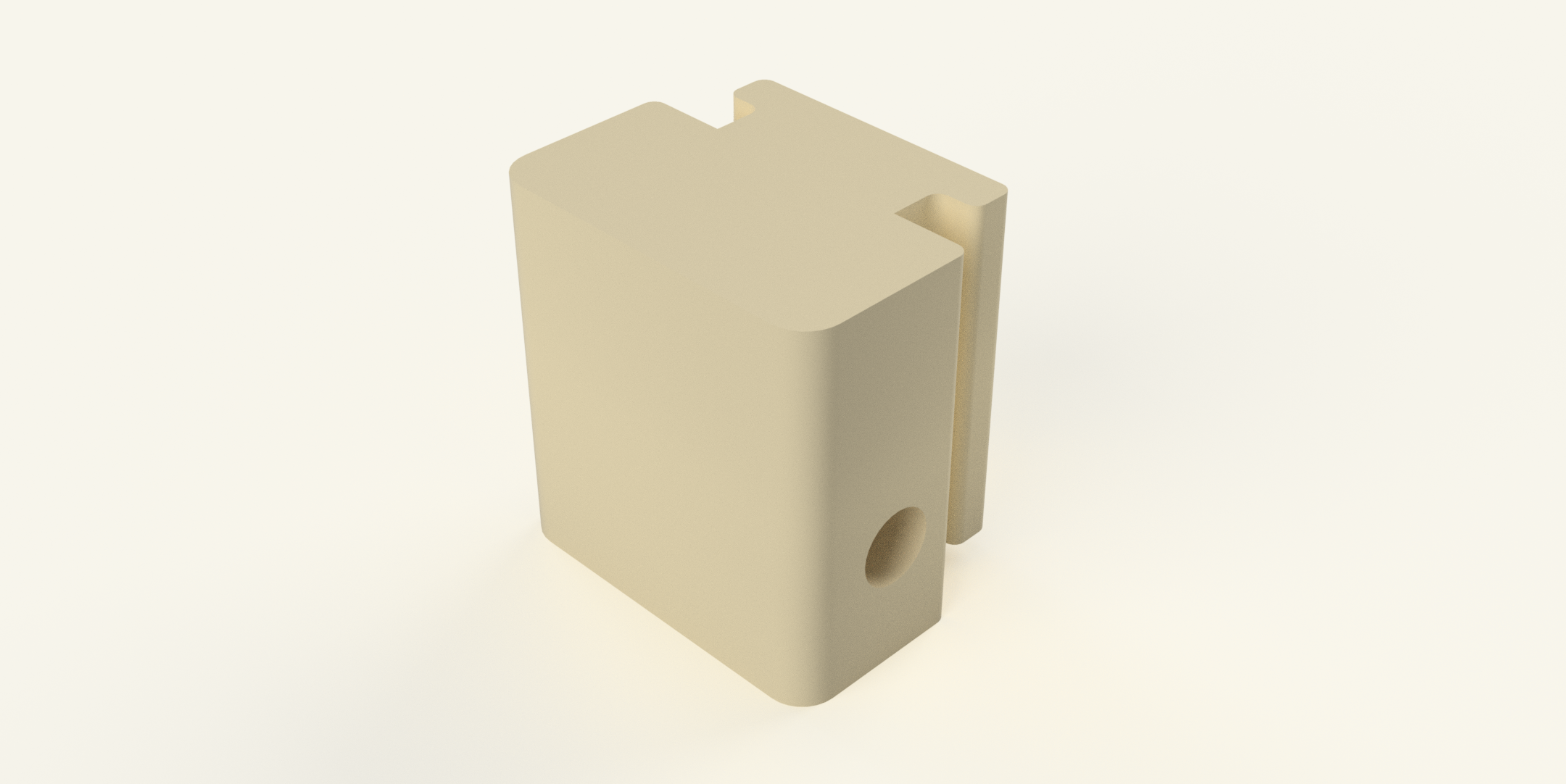 | The Sensor Connector is a specialized adapter designed to attach to any female port in the system. It features a pass-through port that allows a temperature probe or sensor to be inserted directly into the module. This enables accurate real-time temperature monitoring and makes it easy to integrate automated climate control systems, such as smart plugs or thermostats that switch heating elements on or off based on internal nest conditions. This connector is fully parametric, allowing you to customize the outer diameter directly on MakerWorld to perfectly fit the outer dimensions of your specific sensor before printing. Important Print Note: For optimal heat transfer and accurate readings, the lower section surrounding the sensor must be printed with 100% infill. Solid plastic prevents trapped air pockets from insulating the probe, ensuring proper thermal conductivity between the nest interior and your sensor. | Sensor Connector.stl | Yes |
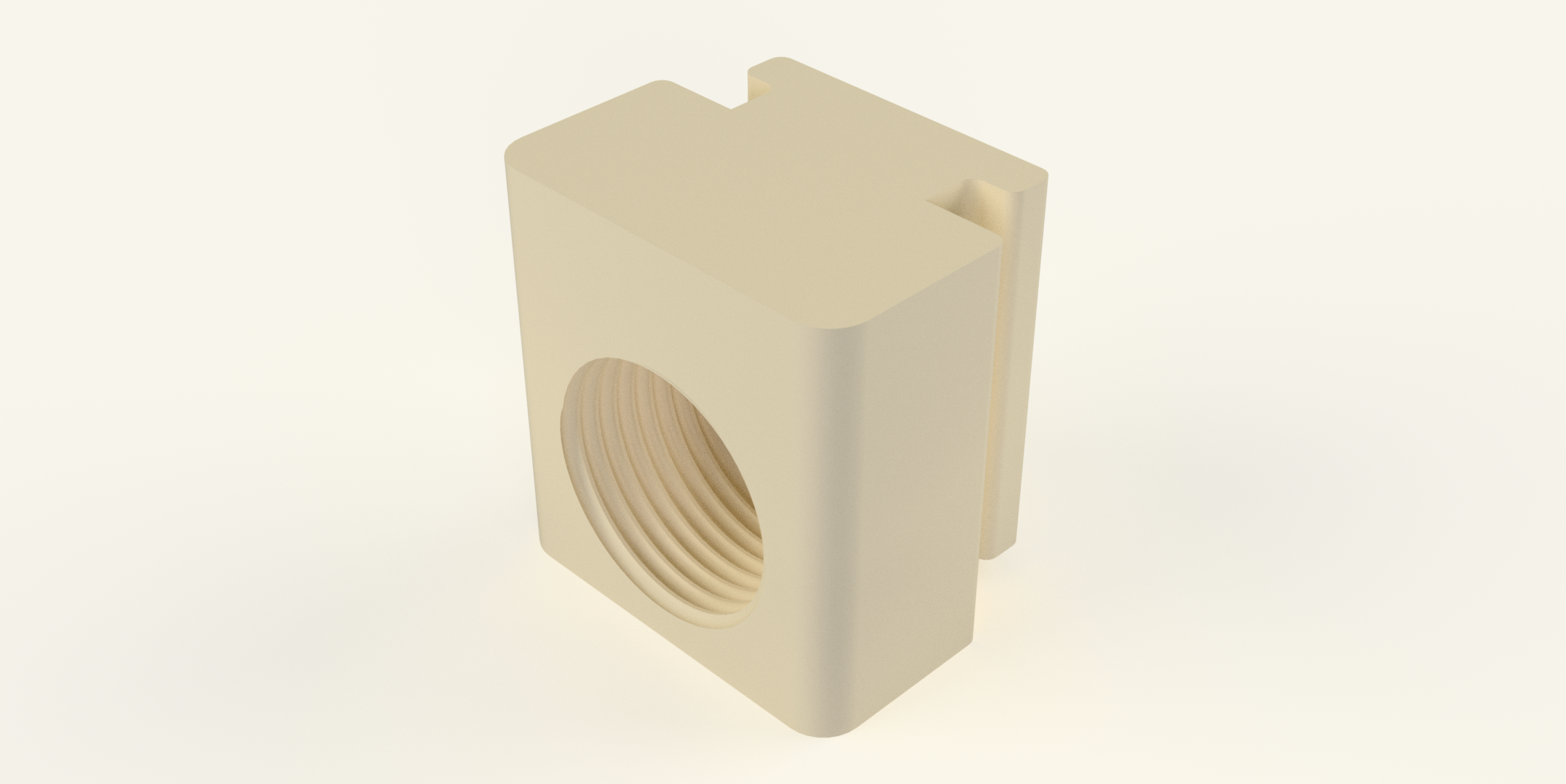 | The Tube M20 Connector allows you to integrate standard commercially available hose fittings into your setup. It features a precise M20 thread, allowing you to screw in third-party M20 tube connectors and connect various external tubing sizes directly to the system. | Tube Connetcor M20.stl | Yes |
Basic Set – Required Materials
To print and assemble a complete starter setup consisting of a Triple Nest Module and an Arena, you will need the following materials:
- Super Glue (Cyanoacrylate): Fast-acting adhesive for bonding the lid frames, Gate Mesh plates, and magnets securely in place.
- Microscope Glass Slides: 13x standard glass slides (for observation windows in both the nest lid and arena side walls).
- Filament: 1x spool of PLA or PETG (only a fraction of the spool is needed for a single setup).
- Neodymium Magnets: 20x disc magnets 6×2 mm.
- Fine Mesh Screen (Gaze): A small piece of fine wire mesh for ventilation and the cotton reservoir slot.
Mesh Density Recommendation: Mesh 50 (approx. 0.3 aperture) to prevent even tiny ant species from escaping.
Print the parts
Coming Soon
Setup Examples
Assemble the formicarium
| Arena | Nest Lid | Nest |
| Male Connector & Stopper |
Keep the nests moist
Coming Soon
Frequently Asked Questions
Coming Soon